Sarvoknit Insights
What Is Mutton Cloth? Uses, Specs & Buying Guide
Mutton cloth (stockinette) is a soft, absorbent knitted cotton fabric sold in rolls for wiping, polishing, and wrapping. Learn its uses, specs, and sizes.
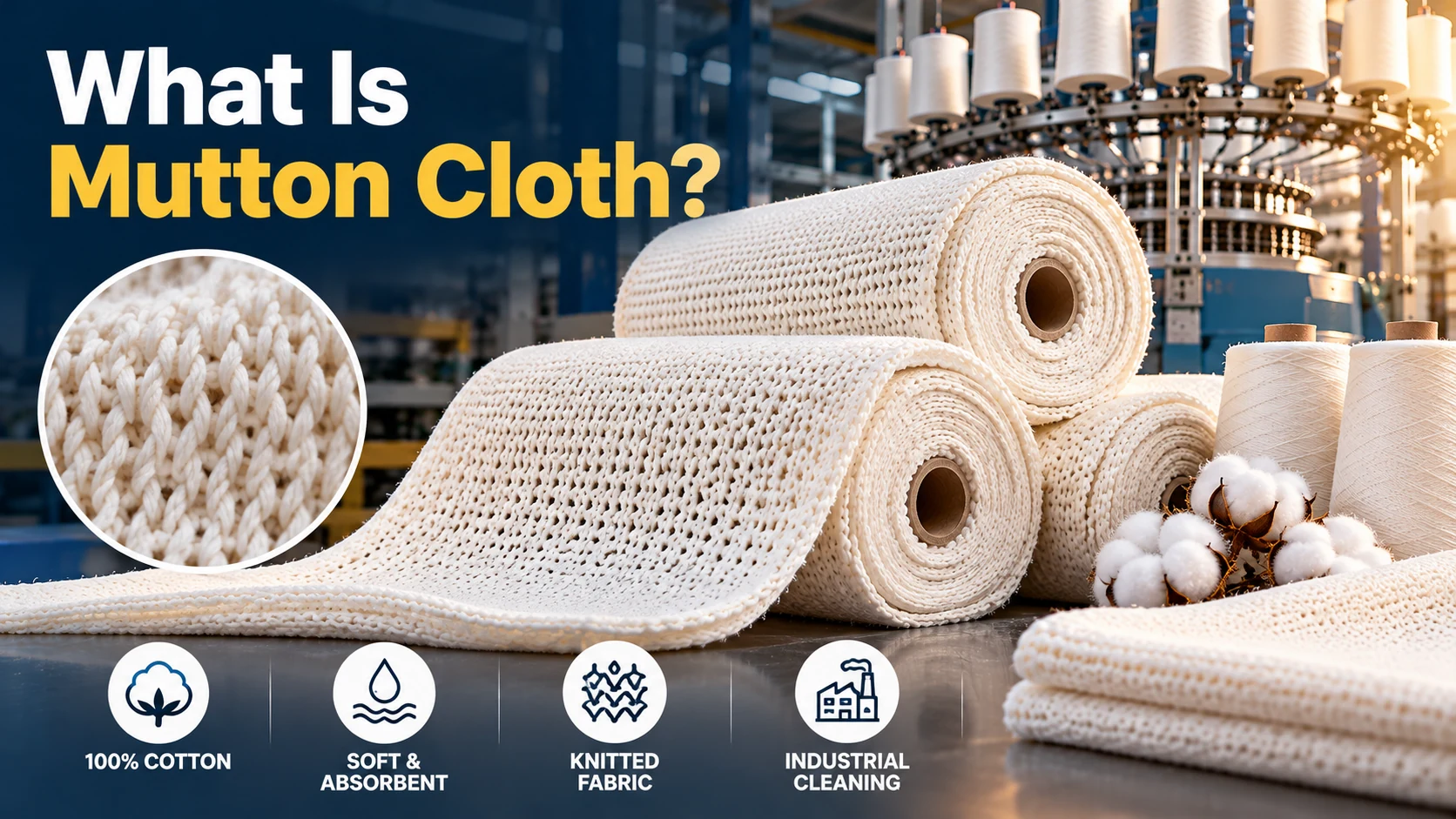
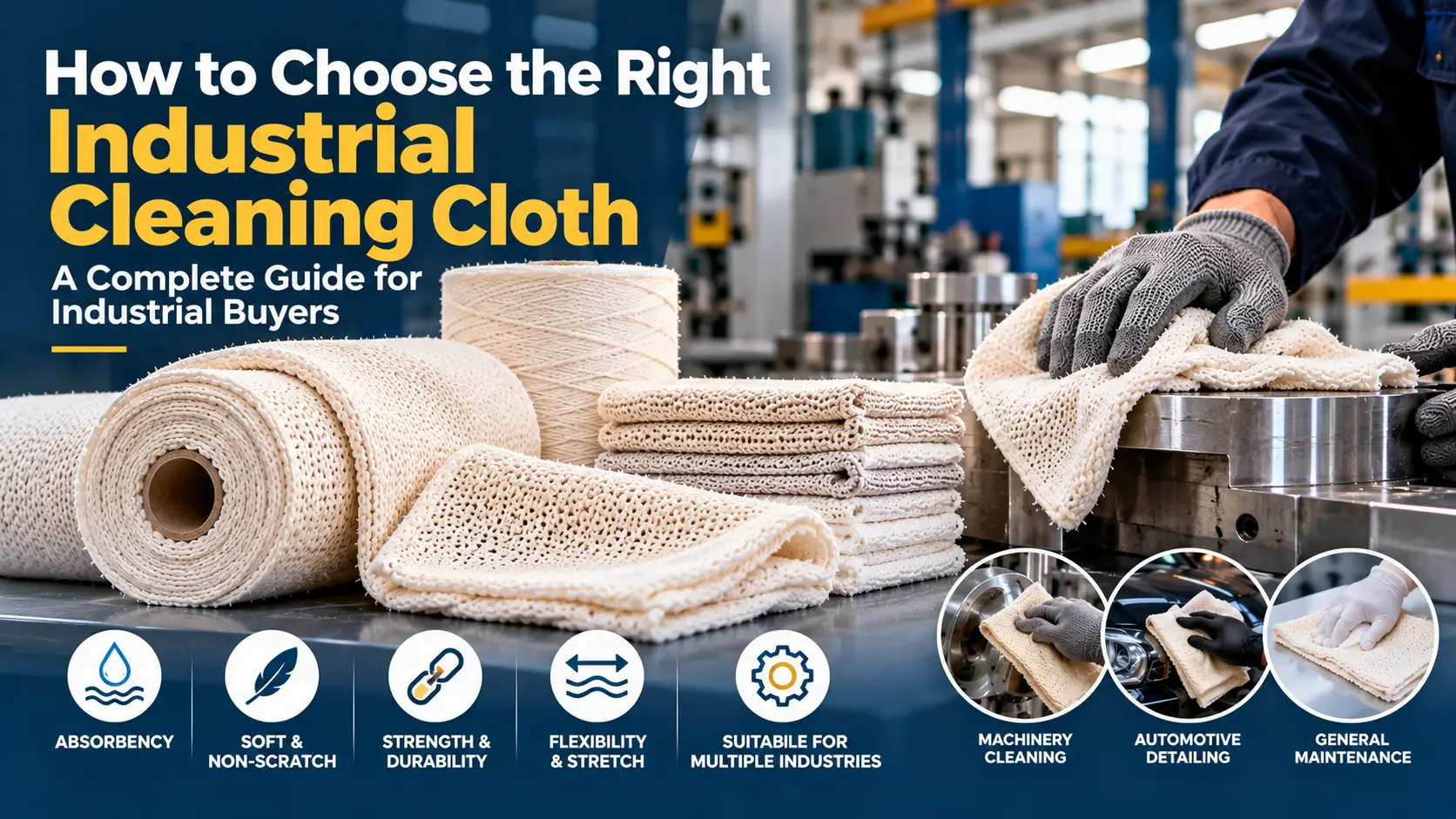
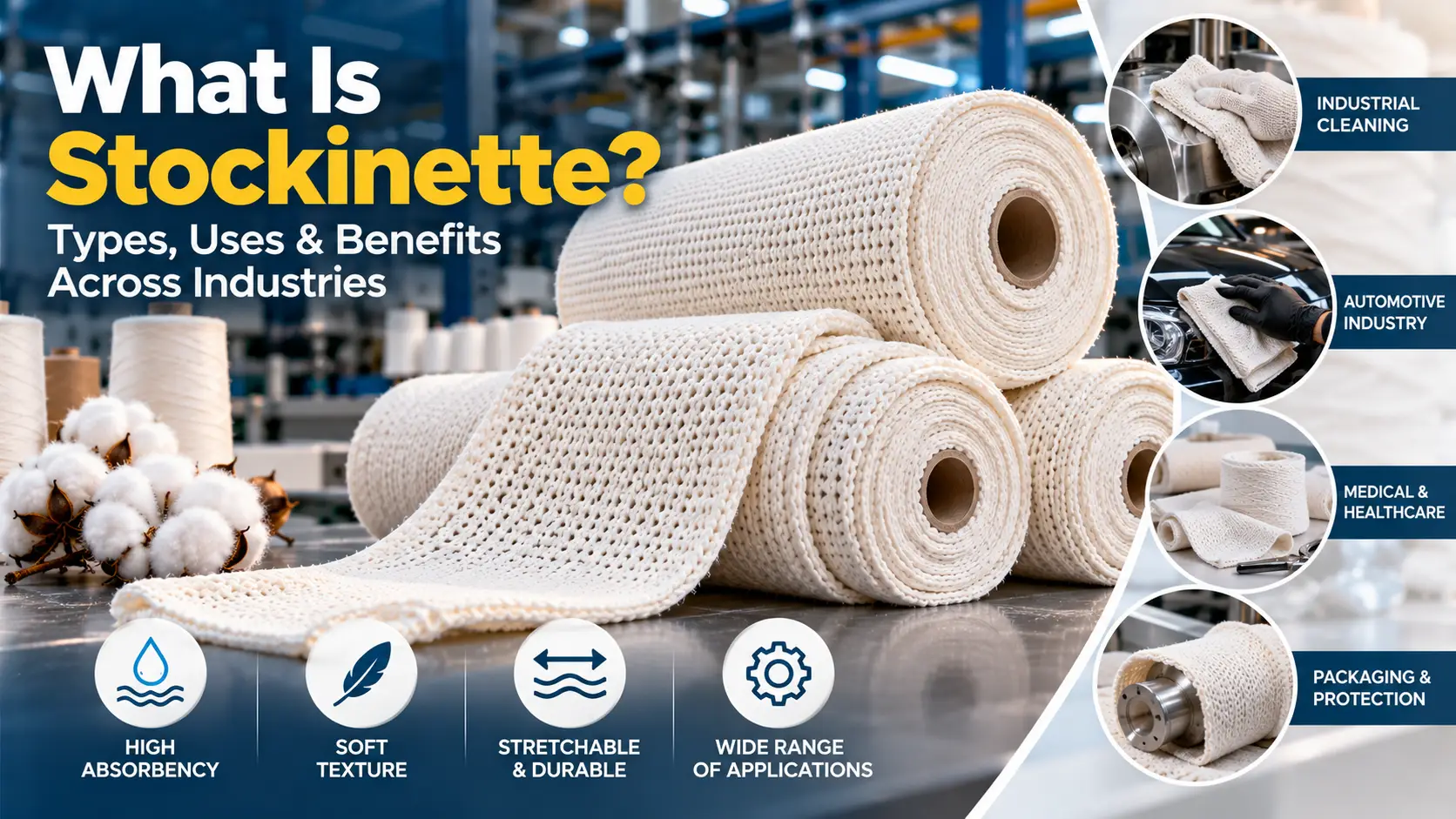
Mutton cloth (also called stockinette) is a soft, absorbent cotton fabric knitted in a seamless tube and supplied in rolls. Workshops, factories, decorators, and ships use it to wipe, polish, and wrap. The name is usually traced to its traditional use for wrapping mutton and other meat carcasses.
At Sarvoknit, we knit mutton cloth from cotton yarn in Mohali, Punjab, India, and supply it in 12-inch rolls from 250 g to 10 kg for industrial buyers, distributors and importers.
Mutton Cloth vs Stockinette: Same Fabric, Two Names
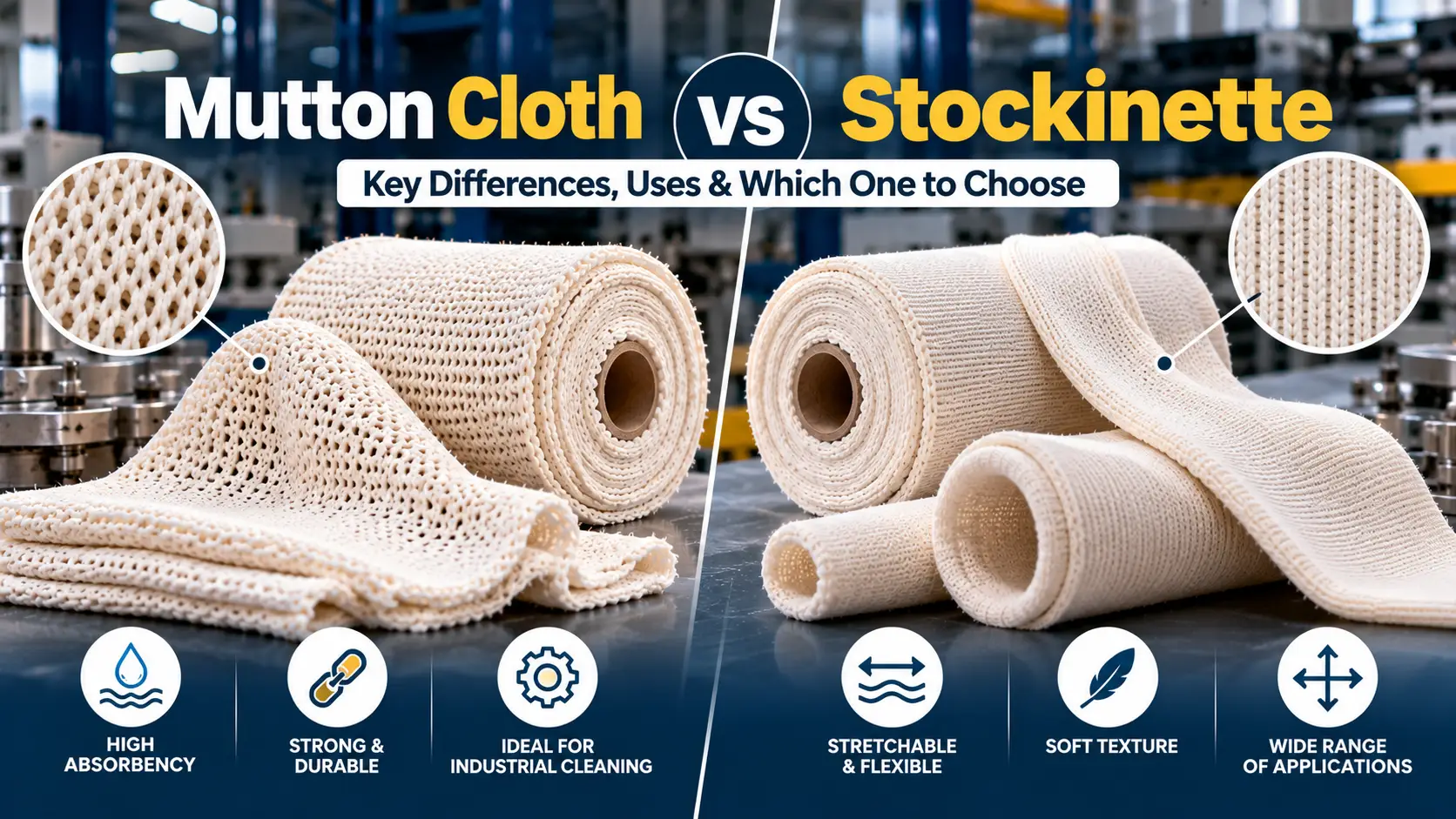
Mutton cloth and stockinette are the same knitted cotton fabric. The name changes with region and trade:
- “Mutton cloth” is the name most buyers use in India and in the meat and butchery trade.
- “Stockinette” or “stockinette roll” is common with decorators, wood finishers and cleaning-supply buyers in the UK and Europe.
- You may also see “stock net” or “cotton stockinette cloth” on supplier listings.
If two quotes use different names, compare the specification (yarn, GSM, width, roll weight), not the label. Read the full comparison: mutton cloth vs stockinette, or learn more about what stockinette is.
How Mutton Cloth Is Made
- Cotton yarn selection: the yarn decides softness, absorbency, and how much lint the cloth sheds.
- Circular knitting: the yarn is knitted on a circular knitting machine into a continuous seamless tube.
- Finishing: the fabric stays natural (off-white) or is bleached to a clean white.
- Inspection: the fabric is checked for holes, dropped stitches, and uneven weight.
- Rolling and packing: the tube is wound into rolls by weight or length and packed for the buyer.
Because it is knitted, not woven, mutton cloth stretches and moulds around hands, pads and curved surfaces. Because it is made from new yarn, not recycled rags, it has no seams, buttons or zips that could scratch a finished surface.
Mutton Cloth Specifications
|
Specification |
Sarvoknit options |
|
Material |
Cotton |
|
Construction |
Knitted tubular (seamless tube) |
|
Width |
12-inch tube (custom widths on request) |
|
Colour/finish |
White (bleached) or off-white (natural) |
|
Pack sizes |
250 g, 500 g, 1 kg and 10 kg rolls; 30 m rolls |
|
Grades |
Fine and super-fine grades; GSM shared with your sample and quote |
|
Custom options |
Roll weight, width, finish and packaging to buyer specification |
Tip: a heavier GSM holds more oil and grease. A finer, lighter grade is better for polishing and finishing work. See our guide on mutton cloth yarn, GSM and knit quality.
What Is Mutton Cloth Used For?
|
Industry/user |
What the cloth does |
|
Automotive workshops and vehicle service |
Buffing wax and polish, wiping panels, cleaning engine bays |
|
Woodwork, furniture and decorators |
Applying wood stain, French polish and varnish; dusting off sawdust before finishing |
|
Engineering and manufacturing |
Wiping oil, grease and coolant from machines and tools |
|
Marine and ship supply |
Engine-room and deck maintenance |
|
Meat processing |
Traditional wrapping and covering of carcasses and cuts |
|
Packing and garment trades |
Soft wrapping and protective packing |
|
Defence and aviation maintenance |
General wiping and polishing in maintenance workshops |
Mutton Cloth vs Other Cleaning Cloths
|
|
Mutton cloth (stockinette) |
Cotton waste/rags |
Microfibre |
Terry towel |
|
Material |
New knitted cotton |
Recycled mixed textiles |
Synthetic fibres |
Looped cotton |
|
Oil and grease absorbency |
High |
Variable |
Low to medium |
High |
|
Lint |
Low (depends on yarn quality) |
High |
Very low |
Medium to high |
|
Scratch risk |
Low: no seams or buttons |
High: seams, buttons, zips |
Low |
Low, but loops snag |
|
Consistency between batches |
High |
Low |
High |
High |
|
Best for |
Wiping, polishing, staining, wrapping |
Rough floor spills |
Glass, screens, dust |
Drying, bulk spills |
Mutton cloth is not the same as cheesecloth. Cheesecloth is a loosely woven gauze used in kitchens. Mutton cloth is a knitted fabric that is thicker, stretchier, and far more absorbent.
How to Choose the Right Mutton Cloth
Start with the job. Heavy grease needs a heavier, more absorbent grade. Polishing and wood finishing need a finer, softer grade.
- Check the yarn. New cotton yarn gives even absorbency and less lint than recycled fibre.
- Ask for the GSM and width in writing. “Premium” means nothing without numbers.
- Pick the roll size for how you work. 250 g and 500 g rolls suit retail and small workshops. 1 kg and 10 kg rolls suit factories and distributors.
- Test a sample first. Wipe a dark, smooth surface and check for lint, stretch, and strength.
- Check batch consistency. Ask how the supplier keeps every order the same as the sample.
Importing? Read our guide to importing mutton cloth from India: MOQ, samples, shipping terms, and documents.
Why Buy Mutton Cloth from Sarvoknit
- Manufacturer, not a trader. We knit, finish, and pack the cloth at our own unit in Mohali, Punjab.
- Certified. ISO certified, ZED-certified, and Udyam MSME registered. View our certificates.
- Flexible packing. From 250 g retail rolls to 10 kg bulk rolls, or custom specifications.
- Samples first. Test the cloth on your own job before you order in bulk.