Sarvoknit Insights
Stockinette vs Mutton Cloth: Key Differences, Uses & Which One to Choose
Mutton cloth is a type of stockinette. Both are plain-knitted cotton fabrics; the names differ mainly by trade, width, and end use, not by core construction.
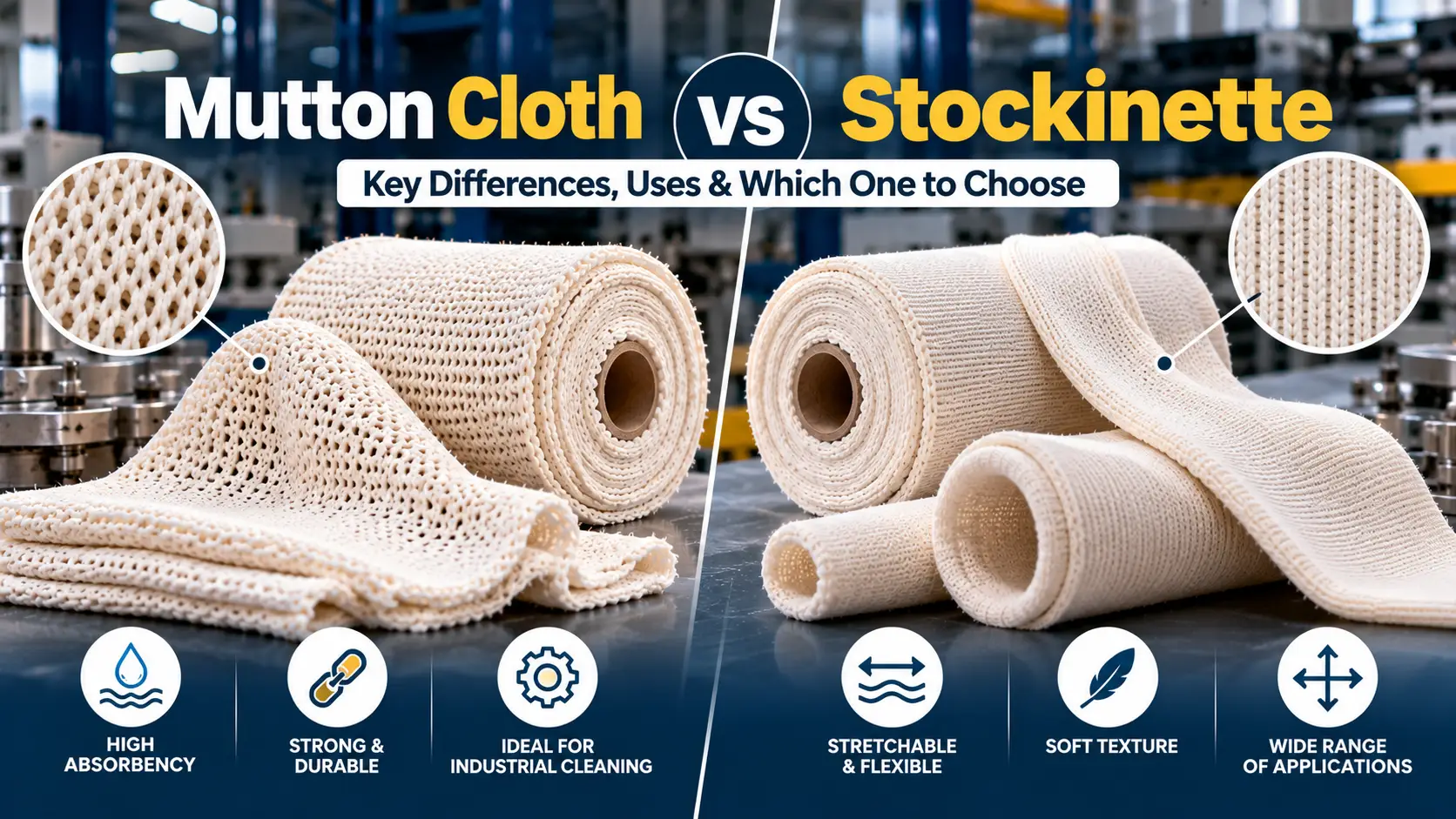
If you have ever compared two supplier quotes, one for "stockinette" and one for "mutton cloth," and wondered whether you were looking at the same product, you are not alone. The terms overlap heavily, and that confusion often leads to wrong orders.
This guide explains what each term really means, where they differ in practice, and how to specify the right cotton knitted fabric for your application.
Key Takeaways
-
Same fabric family: Mutton cloth is a continuous length of stockinette, so both share the same plain-knit cotton construction.
-
Different trade language: "Stockinette" is the broader textile and medical term, while "mutton cloth" is the common name in cleaning, marine, and workshop supply.
-
Form matters more than name: Tubular vs flat form, width, GSM, and finish decide performance, so specify those instead of relying on the label.
-
Absorbency depends on quality: Cotton grade, yarn count, and fabric weight affect absorbency far more than which name is printed on the invoice.
What Is Stockinette?
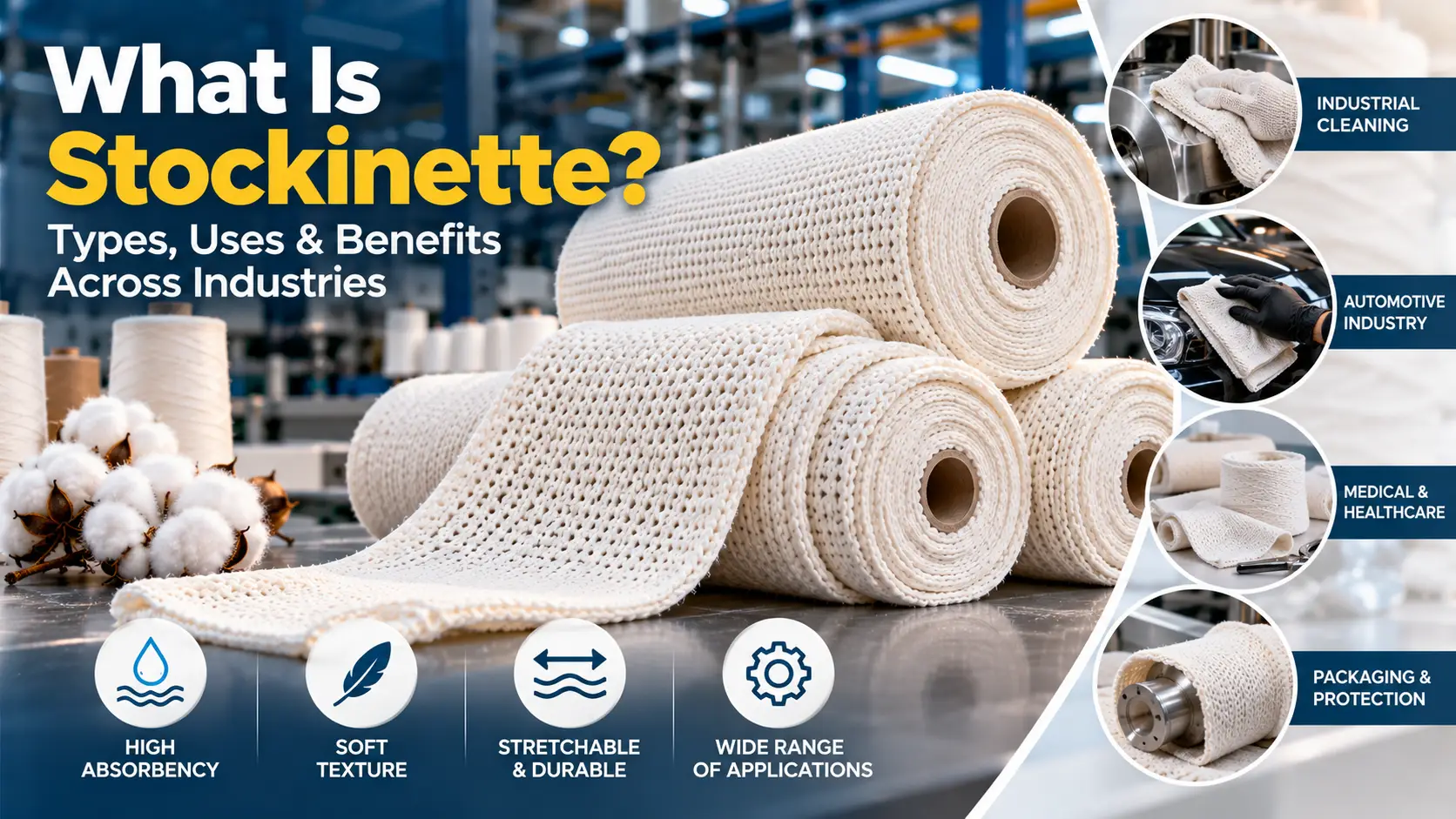
Stockinette (also spelled stockinet) is a soft, elastic, machine-knitted fabric made with a plain stitch. It can be produced from cotton, wool or synthetic fibres, in tubular or flat form. Industrial and medical stockinette is usually made from cotton.
-
Stretch and recovery: The interlocking knit loops let the fabric stretch in several directions and hug irregular shapes, which is why it suits wrapping and covering.
-
Tubular construction: Knitted on circular machines, stockinette often comes as a seamless tube that can slide over parts, limbs, or products.
-
Medical use: Tubular cotton stockinette is a standard pre-wrap under orthopaedic casts and is used to hold bulky dressings in place.
-
Food and industrial use: Closely knit stockinette tubes are used as casings for meat products and as protective sleeves for components.
What Is Mutton Cloth?
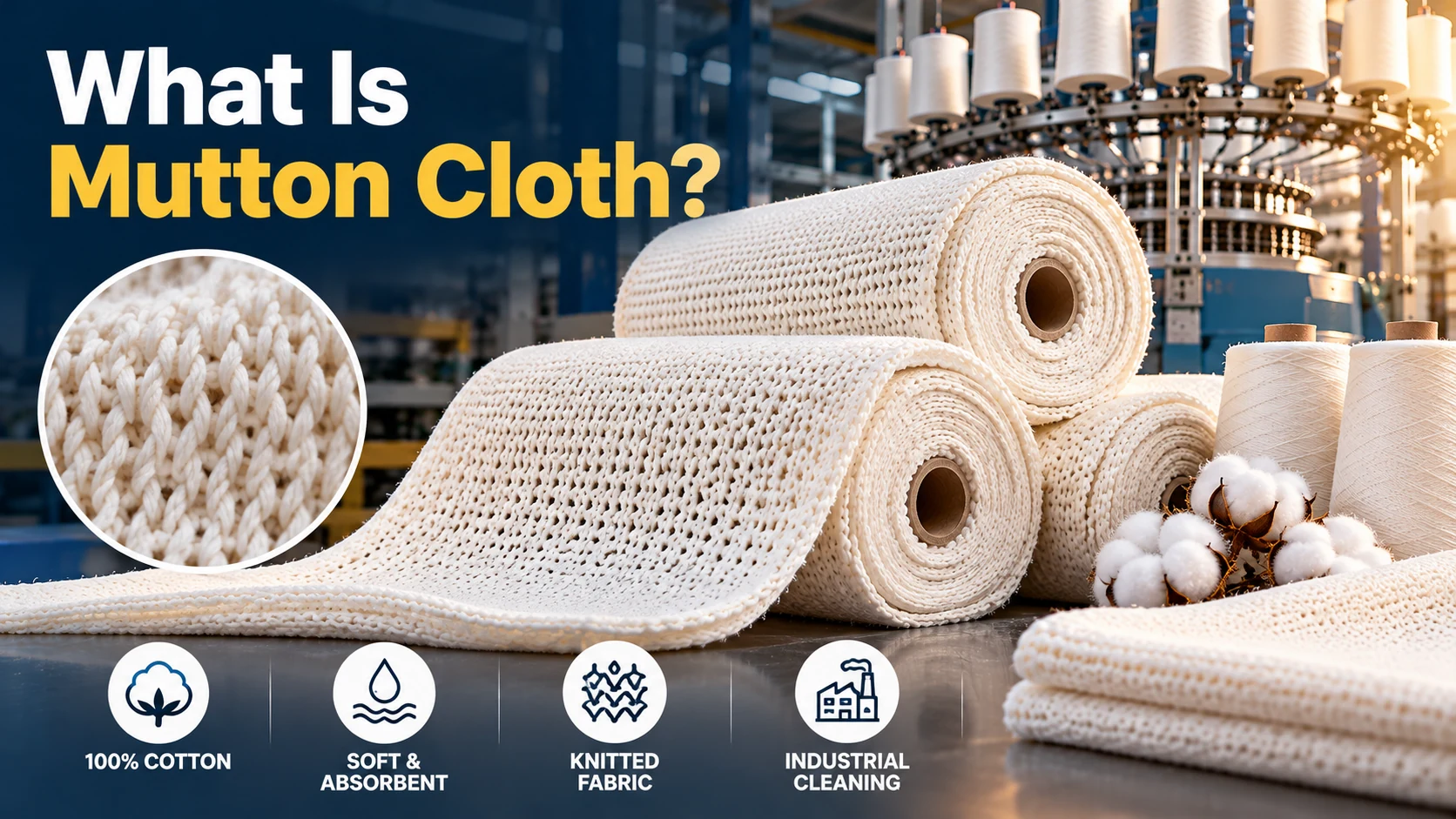
Mutton cloth is cotton stockinette sold for cleaning, wiping, polishing and wrapping. The IMPA marine supply catalogue, for example, defines it as a roughly 400 mm wide continuous length of stockinette, sold by weight and used for wrapping meat and filtering. The name reflects that long association with wrapping meat.
-
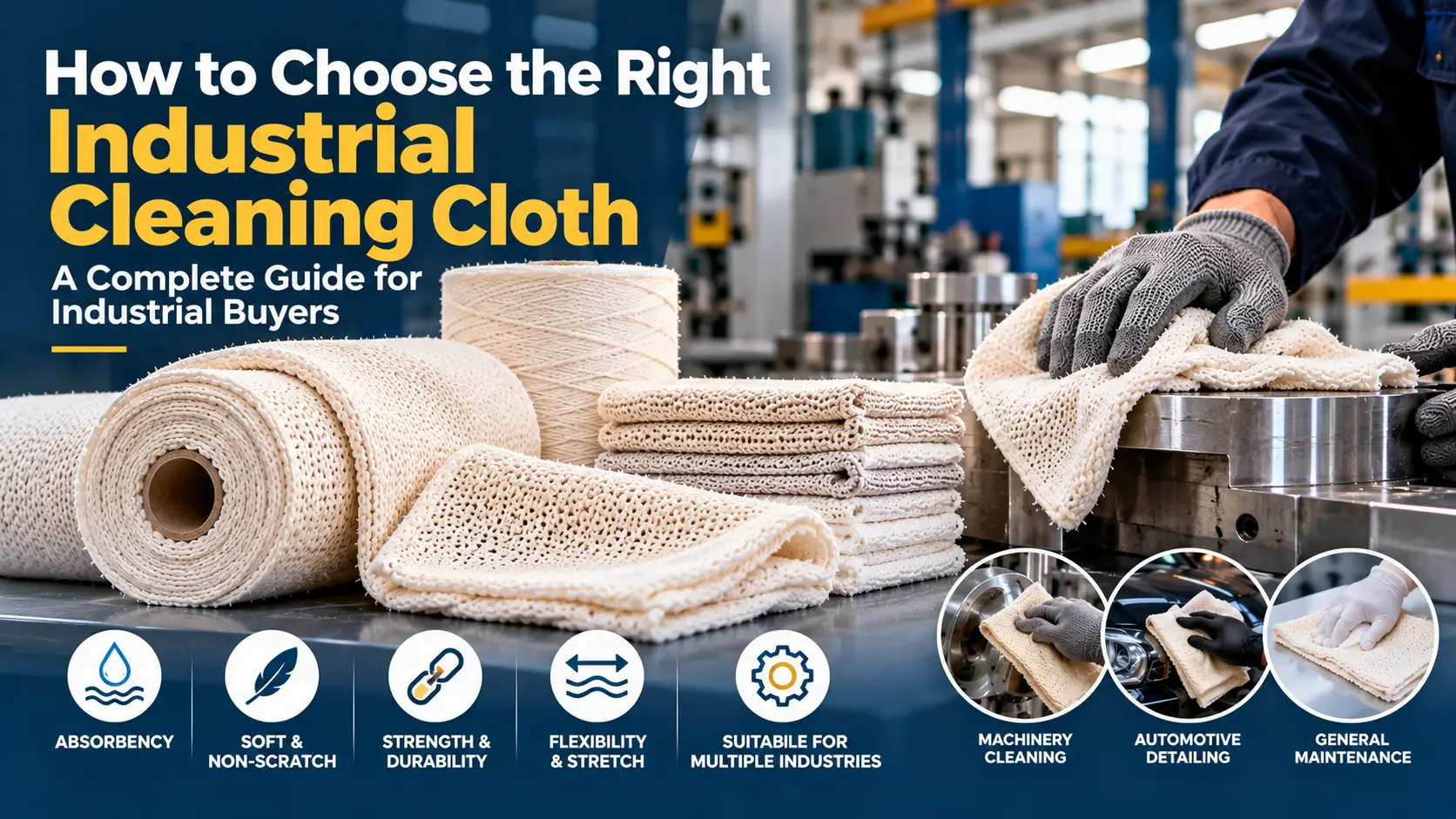
Built for wiping: The open knit traps dust, grease, and liquid, making it a common industrial cleaning cloth in workshops and plants.
-
Soft on surfaces: Knitted cotton is less abrasive than many woven rags, so it is widely used for polishing paint, metal and glass.
-
Flexible formats: It is supplied as rolls, tubes or cut pieces, and buyers often order by kilogram rather than by metre.
-
Filtering and straining: Its fine, even mesh also makes it useful for simple straining jobs in workshops and kitchens.
Stockinette vs Mutton Cloth: Side-by-Side Comparison
The table below shows the difference between stockinette and mutton cloth as the terms are used in trade. Where the two overlap, the table says so rather than inventing a contrast.
|
Factor |
Stockinette |
Mutton Cloth |
|
Fabric construction |
Plain-knit (single jersey) fabric |
Same plain-knit stockinette construction |
|
Typical material |
Usually cotton; also wool or synthetics |
Usually cotton |
|
Common form |
Often tubular rolls in set diameters |
Rolls, opened tubes or cut pieces |
|
Texture |
Soft, smooth knit |
Soft knit; often heavier for wiping |
|
Stretchability |
High, especially in tubular form |
Good; similar knit stretch |
|
Absorbency |
Good; depends on cotton grade and GSM |
Good; depends on cotton grade and GSM |
|
Typical uses |
Medical wraps, protective sleeves, meat casings, packaging |
Cleaning, polishing, wiping, meat wrapping, straining |
|
How it is sold |
Often by roll length and diameter |
Often by weight (kg) or roll length |
|
Best suited for |
Covering and wrapping shaped objects |
Everyday industrial cleaning and polishing |
Industrial Applications
Both fabrics earn their place because knitted cotton is absorbent, soft, and conforms to shapes. Here is how they are used in real operations.
-
Aviation and defence workshops: Technicians use mutton cloth to wipe hydraulic fluid and grease from components without scratching sensitive surfaces.
-
Automotive and paint shops: Detailers use knitted cotton for polishing and paint preparation, because it holds compound well and leaves fewer marks than coarse rags.
-
Marine and ship supply: Mutton cloth is a standard ship-store item for engine-room wiping, galley use, and general maintenance.
-
Meat and food processing: Tubular stockinette protects carcasses and encases meat products during handling, storage, and processing.
-
Packaging and component protection: Stockinette sleeves slide over machined shafts, pipes, and finished parts to prevent scratches in transit.
Which One Should You Choose?
Start with the job, not the name. Ask what the fabric must do, then choose the form and specification that does it best.
-
For general cleaning and wiping: Choose mutton cloth in a medium-to-heavy GSM. It absorbs oil and coolant well and is cost-effective by weight.
-
For polishing finished surfaces: Choose a soft, bleached mutton cloth or stockinette with good yarn quality to reduce lint and streaks.
-
For wrapping or covering shaped parts: Choose tubular stockinette in a diameter that matches the component, so it grips without overstretching.
-
For medical or food-contact use: Choose stockinette made to the relevant medical or food-grade standard, and confirm documentation with the supplier.
B2B Buying Considerations
For procurement teams, the safest approach is to buy on specification rather than product name. Two "mutton cloth" quotes can describe very different fabrics.
-
Fabric weight (GSM): Heavier fabric absorbs more and lasts longer; lighter fabric suits polishing and lighter wrapping.
-
Width, diameter and roll length: Fix these in your purchase order so every batch fits your cutting, dispensing, or wrapping process.
-
Finish: Bleached fabric looks cleaner and is preferred for polishing; natural (unbleached) fabric is often cheaper for heavy wiping.
-
Batch consistency: Request samples, then compare later deliveries against them for weight, knit density, and absorbency.
-
Supplier credentials: Prefer manufacturers over traders, and check certifications, in-house production, and capacity for recurring bulk orders.
For a deeper look at quality checks, see Sarvoknit's guide on what makes mutton cloth premium: yarn, GSM and knit quality.
About Sarvoknit
Sarvoknit manufactures both products in-house at its factory in the Phase-9 Industrial Area, Mohali, Punjab. Its range covers cotton stockinette and industrial mutton cloth for defence, aviation, automotive, marine, packaging and meat-processing buyers.
-
Custom specifications: Widths, diameters, roll lengths, fabric weights and packaging are made to order.
-
Finish options: Stockinette is available in bleached or natural finish, depending on the application.
-
Verifiable credentials: The company publishes ISO, ZED, Udyam MSME, and Startup India certificates on its About page.
-
Bulk supply: It supports both recurring and high-volume industrial orders.
Conclusion
Stockinette and mutton cloth are closer than most buyers think: the same plain-knit cotton fabric, described in different trade language. The real differences lie in form, width, weight, and finish, and those should drive your choice.
If you are sourcing for cleaning, polishing, wrapping, or protection, share your application, size, and quantity with a manufacturer and test samples first. Sarvoknit can help you specify and quote the right fabric for your operation.